Buying a Victorian Property? Common Issues and Building Survey Tips
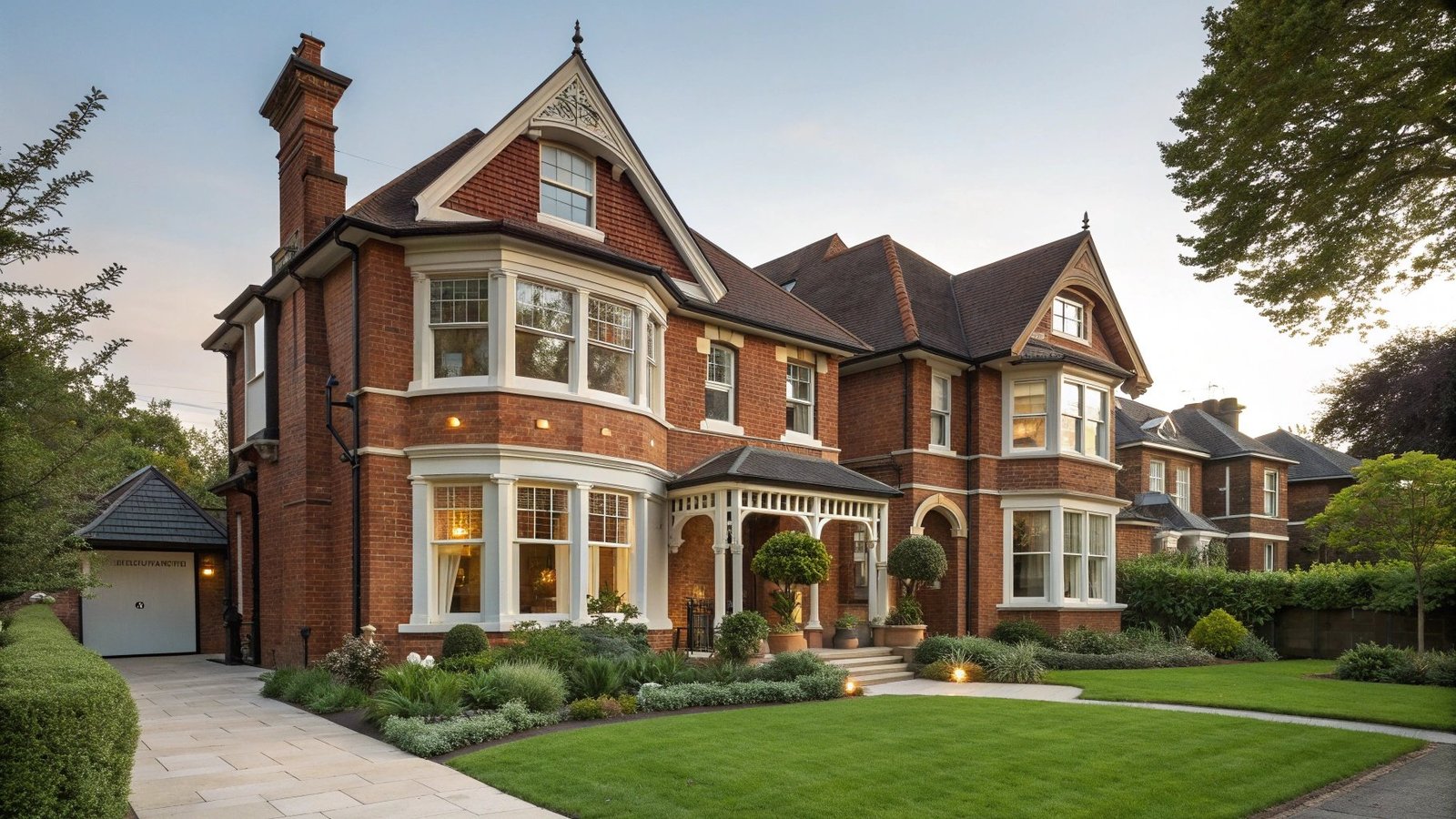
Expert Surveyors UK surveys hundreds of Victorian properties annually. These characterful homes built between 1837-1901 offer spacious rooms, high ceilings, and architectural features modern properties lack. However, they also present unique challenges that buyers should understand before committing to purchase.
In this comprehensive guide, our RICS chartered surveyors explain common issues found in Victorian properties, what building surveys typically reveal, and how our expertise in building pathology helps identify problems before they become expensive surprises.
Understanding Victorian Construction
Victorian builders used different materials and construction methods than modern developments. Understanding these differences is crucial for identifying potential building defects and knowing what's normal for properties of this age.
Typical Victorian Construction Features:
- Solid brick walls: Usually 9 inches (one brick) thick, without cavities
- Lime mortar: Softer and more breathable than modern cement mortars
- Timber floors: Suspended timber ground floors with joists supported on sleeper walls
- Slate roofs: Often Welsh or Westmorland slate, lasting 100+ years when properly maintained
- Sash windows: Timber sliding sash windows, often single-glazed originally
- No damp-proof course: Early Victorian properties (pre-1875) typically lack DPCs
Expert Surveyors UK's building surveyors understand these construction methods, distinguishing between normal characteristics of period properties and genuine defects requiring remedial works.
Common Structural Issues in Victorian Properties
1. Subsidence and Foundation Movement
Victorian properties typically have shallow foundations compared to modern standards. This makes them more susceptible to subsidence, particularly in clay soil areas.
Signs our building surveyors identify include:
- Diagonal cracking near doors and windows
- Cracks wider than 5mm
- Doors and windows sticking
- Stepped cracking in brickwork
- Gaps between walls and ceilings/floors
Not all cracks indicate serious problems. Victorian properties often show minor settlement cracks that stabilized decades ago. Our chartered surveyors assess whether movement is historic or ongoing, recommending monitoring or remedial works accordingly.
2. Roof Structure Problems
Victorian roofs typically feature timber trusses or rafters supporting slate coverings. Common defects we encounter include:
- Roof spread: Rafters pushing external walls outward due to inadequate restraint
- Rotten roof timbers: From moisture penetration through damaged slates
- Sagging ridge lines: Indicating timber failure or inadequate support
- Slipped or missing slates: Allowing water penetration
- Failed valleys: Where roof slopes meet, often sources of leaks
Many Victorian properties have had loft conversions. Our building surveyors check whether these building works received proper approvals and don't compromise structural integrity.
3. Timber Floor Issues
Suspended timber ground floors can suffer various problems:
- Rot: Wet rot or dry rot from inadequate ventilation or dampness
- Woodworm: Beetle infestations weakening timber
- Deflection: Floors bouncing or sagging from joist failure
- Poor ventilation: Blocked airbricks causing moisture buildup
Expert Surveyors UK's building pathology expertise helps identify timber defects early, before expensive floor replacements become necessary.
Damp Issues in Victorian Properties
Damp is common in Victorian properties but often misdiagnosed. Our building surveyors distinguish between different damp types:
Rising Damp
Early Victorian properties (pre-1875) lack damp-proof courses, making rising damp a potential issue. However, many Victorian properties perform adequately without modern DPCs if:
- External ground levels are appropriate
- Walls can breathe through lime mortars and plasters
- Sub-floor ventilation is adequate
- Drainage keeps moisture away from walls
Inappropriate modern materials like cement renders and plasters can trap moisture, creating damp problems that didn't exist with original breathable lime-based materials.
Penetrating Damp
Solid wall construction (no cavity) means Victorian properties are more vulnerable to penetrating damp from:
- Defective pointing allowing water through mortar joints
- Damaged or absent render
- Blocked gutters causing water to run down walls
- Roof defects allowing water penetration
Condensation
Solid walls and single-glazed windows make Victorian properties prone to condensation, particularly when centrally heated without adequate ventilation. This often gets mistaken for penetrating or rising damp.
Building Design and Period Features
Victorian properties feature distinctive architectural elements that require sympathetic maintenance:
Sash Windows
Original timber sash windows are part of Victorian properties' character. Common issues include:
- Rotten sills from water ingress
- Broken sash cords
- Paint buildup preventing proper operation
- Missing or damaged glazing bars
Our building surveyors advise whether windows require repair or replacement, noting that sympathetic repair often proves more cost-effective than replacement with unsuitable modern alternatives.
Original Fireplaces
Many Victorian properties retain original fireplaces. If fireplaces have been blocked up, ensuring proper ventilation prevents condensation and moisture problems.
Decorative Cornicing and Ceiling Roses
Plaster ceiling decorations sometimes suffer from cracking or sagging, particularly if roof leaks have caused water damage.
Modern Modifications to Victorian Properties
Many Victorian properties have been modified over decades. Our building surveyors assess whether modifications were done properly:
Central Heating Installations
Adding central heating to solid-walled Victorian properties can cause problems if:
- Heating is too powerful, driving moisture into walls
- Ventilation isn't adequate for moisture removal
- Original lime plasters can't accommodate higher temperatures
Double Glazing
Replacing original windows with modern double glazing can:
- Harm property character and reduce value
- Cause planning permission breaches in conservation areas
- Create condensation if ventilation is inadequate
Modern sympathetic secondary glazing often works better for period properties than complete window replacement.
Extensions and Alterations
Victorian properties frequently have rear extensions, loft conversions, or internal alterations. Expert Surveyors UK checks whether:
- Building regulation approvals were obtained
- Structural calculations were done for significant alterations
- Extensions are built sympathetically using appropriate materials
- Party wall procedures were followed where required
Conservation Areas and Listed Buildings
Many Victorian properties sit in conservation areas or have listed building status. This affects:
- What alterations you can make
- Materials and methods required for repairs
- Whether planning permission is needed for routine maintenance
- Grant availability for restoration works
Our chartered surveyors advise on conservation constraints and appropriate repair methods that preserve character while addressing defects.
What to Look for During Viewings
Before instructing a building survey, look for these warning signs:
- Obvious cracking in walls
- Damp patches or musty smells
- Sagging floors or bouncy timber floors
- Uneven or sloping floors
- Poor quality previous repairs
- Evidence of roof leaks (water stains on ceilings)
- Rotten window sills
- External render in poor condition
- Blocked or overflowing gutters
- Missing roof slates
Building Surveys for Victorian Properties
Victorian properties require thorough building surveys. Expert Surveyors UK recommends full structural surveys (RICS Level 3) rather than basic valuations for properties of this age.
What Our Victorian Property Surveys Include:
- Comprehensive structural assessment
- Roof structure and covering inspection
- Damp investigation with moisture meter readings
- Timber defect identification
- Assessment of previous alterations and extensions
- Evaluation of building materials and construction methods
- Identification of inappropriate modern repairs
- Advice on sympathetic maintenance approaches
- Cost estimates for necessary remedial works
Our building pathology expertise proves invaluable for Victorian properties, where understanding period construction methods is essential for accurate diagnosis of defects.
Typical Costs for Victorian Property Repairs
Budget considerations for Victorian properties:
- Roof repairs: £5,000-£15,000 for comprehensive re-slating
- Repointing: £50-£100 per square meter
- Damp-proof course installation: £1,500-£3,000
- Floor repairs: £100-£150 per square meter
- Sash window restoration: £500-£1,000 per window
- Chimney repairs: £1,000-£5,000 depending on extent
While Victorian properties can require significant maintenance investment, their solid construction means properly maintained examples often outlast modern buildings.
Advantages of Victorian Properties
Despite potential issues, Victorian properties offer significant benefits:
- Spacious rooms: High ceilings and generous room sizes
- Solid construction: Substantial walls and quality materials
- Character features: Period details impossible to replicate
- Adaptability: Often easier to modify than modern properties
- Locations: Frequently in established, sought-after areas
- Investment potential: Period properties often hold value well
Conclusion
Victorian properties offer characterful homes with period features modern developments can't match. However, their age means building surveys are essential to identify defects and estimate repair costs accurately.
Expert Surveyors UK's RICS chartered surveyors bring specialist knowledge of Victorian construction methods and building pathology. Our building surveys identify issues specific to period properties, distinguishing normal characteristics from genuine defects requiring remedial works.
Whether you're buying a Victorian terrace, semi-detached villa, or grand detached house, our expertise ensures you understand exactly what you're purchasing and can budget appropriately for any necessary repairs.
Buying a Victorian Property?
Expert Surveyors UK provides specialist building surveys for Victorian properties across the UK. Our RICS chartered surveyors understand period construction and identify issues before purchase.
Book Your Victorian Property Survey