Roof Defects: What Building Surveyors Look For During Inspections
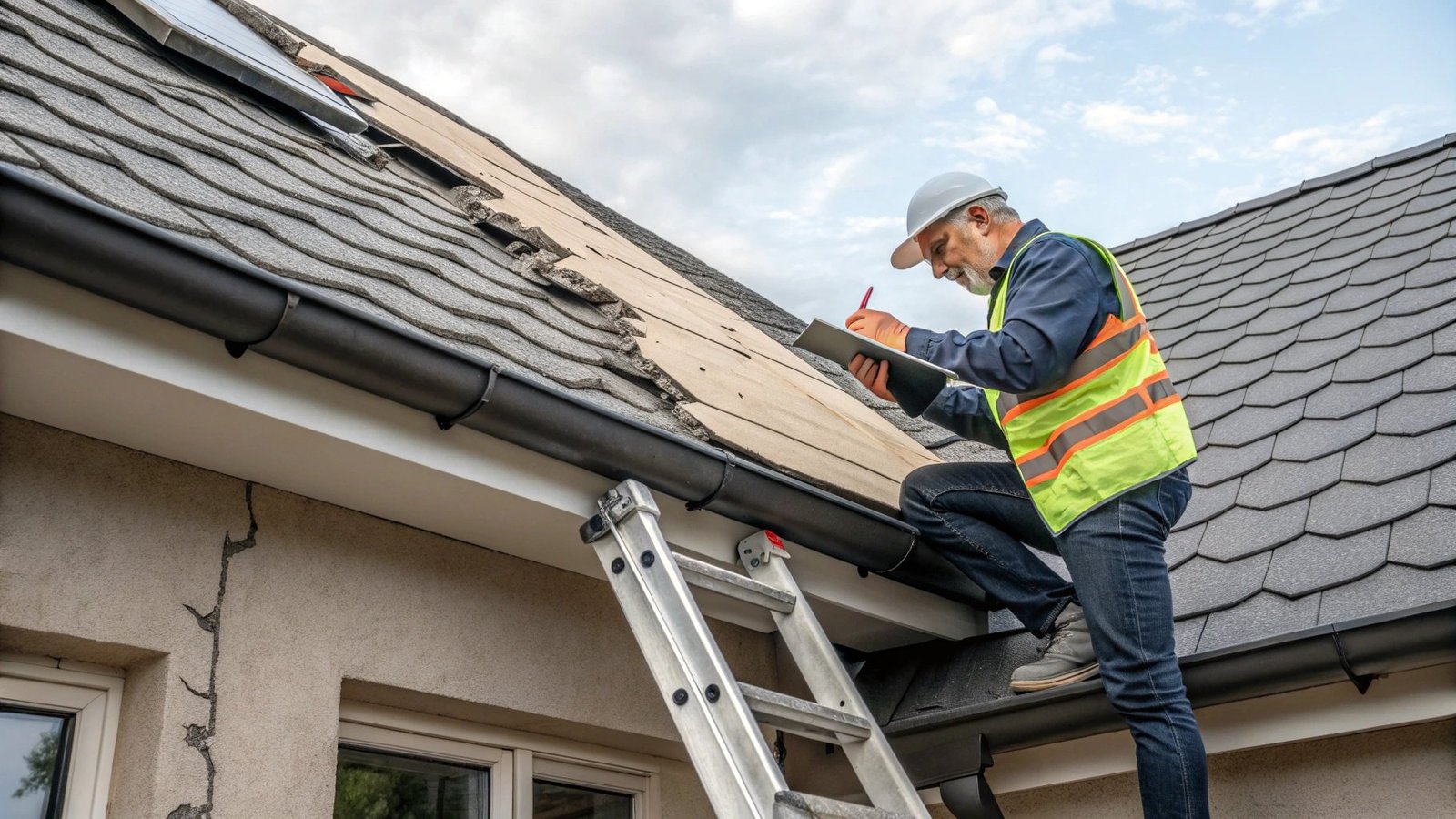
Expert Surveyors UK inspects roofs on thousands of properties annually. Roof defects represent some of the most common and potentially expensive issues our RICS chartered surveyors identify during building surveys. Understanding what building surveyors look for helps property buyers appreciate the importance of thorough roof inspections.
In this guide, our chartered surveyors explain common roof defects, how we identify them during building surveys, typical repair costs, and when remedial works become urgent.
Why Roof Inspections Are Crucial
Roofs protect everything below from weather. Defects can lead to:
- Water penetration causing internal damage
- Structural timber rot
- Ceiling and insulation damage
- Electrical risks from water ingress
- Expensive emergency repairs if left unchecked
Expert Surveyors UK's building surveys include comprehensive roof assessments, identifying defects before they cause serious damage to residential and commercial properties.
Common Roof Covering Defects
1. Slipped or Missing Slates/Tiles
The most obvious roof defect. Individual slates or tiles slip out of position or go missing entirely, allowing direct water penetration.
Causes:
- Corroded or broken fixings (nails, nibs)
- Wind damage
- Walking on fragile roofs
- Age and weathering
Repair costs: £100-£300 per individual replacement, but widespread slippage may indicate complete re-covering needed (£5,000-£15,000).
2. Cracked or Damaged Tiles
Frost damage, impact, or age causes tiles to crack. Hairline cracks may not immediately leak but widen over time.
Our building surveyors assess whether isolated damage requires spot repairs or indicates broader deterioration needing complete roof renewal.
3. Ridge and Hip Tile Problems
Ridge tiles at roof peaks and hip tiles on angled junctions often fail before main roof covering. Mortar bedding deteriorates, allowing tiles to lift or slip.
Signs:
- Visible gaps under ridge tiles
- Loose or rocking tiles
- Cracked mortar bedding
Repair costs: £50-£100 per meter for re-bedding ridge tiles.
4. Flat Roof Defects
Flat roofs (actually slightly pitched) present unique problems. Common issues include:
- Felt blistering: Trapped moisture causing bubbles
- Splitting: Age and UV exposure causing cracks
- Ponding: Inadequate falls allowing water pools
- Failed seams: Joints opening up
Flat roofs typically last 10-20 years depending on specification. Complete replacement costs £50-£100 per square meter.
Roof Structure Defects
1. Sagging Ridge Lines
Visible sag in roof ridge indicates structural problems:
- Failed ridge board
- Inadequate bracing
- Rotten roof timbers
- Settlement or movement
Expert Surveyors UK's building surveyors investigate causes, distinguishing between minor historic settlement and ongoing structural failures requiring urgent remedial works.
2. Roof Spread
Occurs when roof structure pushes external walls outward. Common in older properties lacking adequate roof bracing or where walls have weakened.
Signs:
- Bulging or leaning walls
- Cracks at wall-ceiling junctions
- Separating rafters at ridge
Remedial works: Installing steel ties or additional bracing (£2,000-£5,000).
3. Rotten Roof Timbers
Water penetration causes timber rot (wet rot or dry rot). Our building pathology expertise identifies:
- Extent of timber decay
- Type of rot (wet rot vs dry rot)
- Source of moisture
- Required remedial works
Isolated rotten timbers can be spliced or replaced (£500-£2,000), but extensive rot may require complete roof renewal (£10,000-£30,000+).
Flashing and Weathering Defects
Lead Flashings
Flashings seal junctions between roofs and walls, chimneys, or other features. Common defects include:
- Cracked or split lead from thermal movement
- Failed pointing where flashings enter walls
- Missing or inadequate flashings
- Corroded or damaged soakers (hidden flashings under tiles)
Repair costs: £300-£800 per chimney for new flashings.
Valley Gutters
Where two roof slopes meet, valleys channel water. Defects cause significant leaks:
- Cracked or holed valley linings
- Blocked valleys from debris
- Inadequate lapping of valley materials
Valley repairs cost £400-£1,200 depending on length and accessibility.
Verges
Roof edges at gable ends (verges) require proper detailing. Defects include:
- Missing mortar bedding
- Inadequate tile overhangs
- No undercloak protection
Rainwater Goods Defects
While not technically the roof, gutters and downpipes critically affect roof performance:
Gutter Problems
- Blockages: Leaves, moss, debris preventing drainage
- Sagging: Failed brackets causing water pooling and overflows
- Leaking joints: Failed seals between sections
- Corrosion: Particularly in cast iron gutters
Overflowing gutters cause water to run down walls, leading to penetrating damp and potential structural damage.
Costs:
- Gutter clearing: £100-£300
- Joint repairs: £50-£150 per joint
- Complete replacement: £30-£60 per meter
Downpipe Issues
- Blocked or disconnected downpipes
- Missing or damaged sections
- Inadequate number for roof area
- Poor discharge arrangements
Roof Insulation and Ventilation
Modern building regulations require adequate roof insulation. Our building surveyors check:
- Insulation thickness and type
- Adequate ventilation preventing condensation
- Vapor barriers where appropriate
- Proper installation around services
Inadequate ventilation causes condensation, leading to timber rot and reduced insulation effectiveness.
Chimney and Stack Defects
Chimneys present multiple potential defects:
- Pointing failure: Weathered mortar joints
- Leaning stacks: Indicating structural problems
- Missing chimney pots: Allowing rain penetration
- Flashing defects: As discussed above
- Internal defects: Flue problems not visible externally
Costs:
- Repointing: £500-£1,200 per stack
- Rebuilding above roofline: £1,500-£4,000
- Complete removal: £1,000-£2,500
When Roof Defects Become Urgent
Some roof defects need immediate attention:
- Active leaks causing internal damage
- Large areas of missing slates/tiles
- Significant structural sagging
- Dangerous loose materials risking falling
- Extensive rotten timbers
Other defects can wait for planned maintenance, though monitoring prevents deterioration requiring more expensive repairs later.
Expert Surveyors UK's building surveys prioritize defects, helping property buyers understand what needs fixing urgently versus longer-term maintenance requirements.
Building Survey Limitations for Roofs
Standard building surveys inspect roofs from ground level using binoculars. We cannot:
- Walk on roofs (safety and fragility risks)
- Lift tiles to inspect underneath
- Access every part of complex roofs
- Guarantee hidden defects won't exist
Where concerns arise, our chartered surveyors recommend specialist roof surveys involving access equipment or drone inspections for detailed assessment.
Conclusion
Roof defects represent significant costs for property buyers if unidentified before purchase. Expert Surveyors UK's building surveys include comprehensive roof assessments, identifying defects and estimating repair costs to inform your purchasing decision.
Our RICS chartered surveyors' expertise in building pathology helps distinguish between minor maintenance needs and serious structural defects requiring expensive remedial works. Whether buying Victorian properties with slate roofs or modern developments with tiled coverings, our professional building surveys protect your investment.
Need a Professional Building Survey?
Expert Surveyors UK provides comprehensive building surveys identifying roof defects before purchase. Our RICS chartered surveyors deliver detailed roof condition assessments.
Book Your Building Survey